
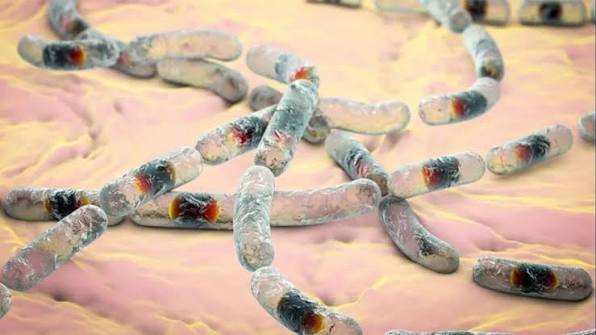
An overview of conventional and rapid culture-based methods for detecting and enumerating presumptive Bacillus cereus in food, including MYP Agar, COMPASS® Bacillus cereus Agar and COMPASS® Bacillus Plus Agar from Biokar Diagnostics. Discover how LABOne sampling consumables, BacterBag™ sample preparation products, HUYlab laboratory equipment and HUYAir Class II Biological Safety Cabinets support the testing workflow.
1. Introduction to Bacillus cereus in Food Safety
Bacillus cereus is a Gram-positive, rod-shaped, endospore-forming bacterium widely distributed in soil, water, dust, agricultural materials and food-processing environments.
Its ability to form resistant endospores makes it an important concern in food safety. Spores may survive certain heat treatments and subsequently germinate and grow when storage conditions are favorable.
B. cereus is associated with two main forms of food poisoning:
Emetic food poisoning: Associated with cereulide, a heat-stable toxin, and frequently linked to improperly stored rice, pasta and other starchy foods.